Best VR Headsets for Gaming in 2026: Standalone, PC and Console Picks
- Primary Signal: Best VR Headsets for Gaming in 2026: Standalone, PC and Console Picks
- Overview: VR headsets in 2026 range from affordable standalone devices to high-end PC headsets with eye tracking. This guide compares the best options for gaming, covering comfort, game libr...
- Verification: Analyzed and compiled by GameVault 668 editorial monitoring desk.
Virtual reality has quietly become one of the best ways to play games, and 2026 is the easiest year yet to get started. Standalone headsets no longer need a PC or a phone, PC headsets deliver sharper visuals than ever, and console VR has matured into a real option. The challenge is not finding a good headset, it is finding the right one for your budget, your space and the games you actually want to play.
Before buying, think about three things. First, what will power the headset: a standalone device, your gaming PC, or a console. Second, how much room you have to move, because room-scale games need a clear play area. Third, which game library matters to you, since the best headset is useless if it cannot play the games you want. This guide covers the strongest picks in each category.
Best Standalone Headset: Meta Quest 3
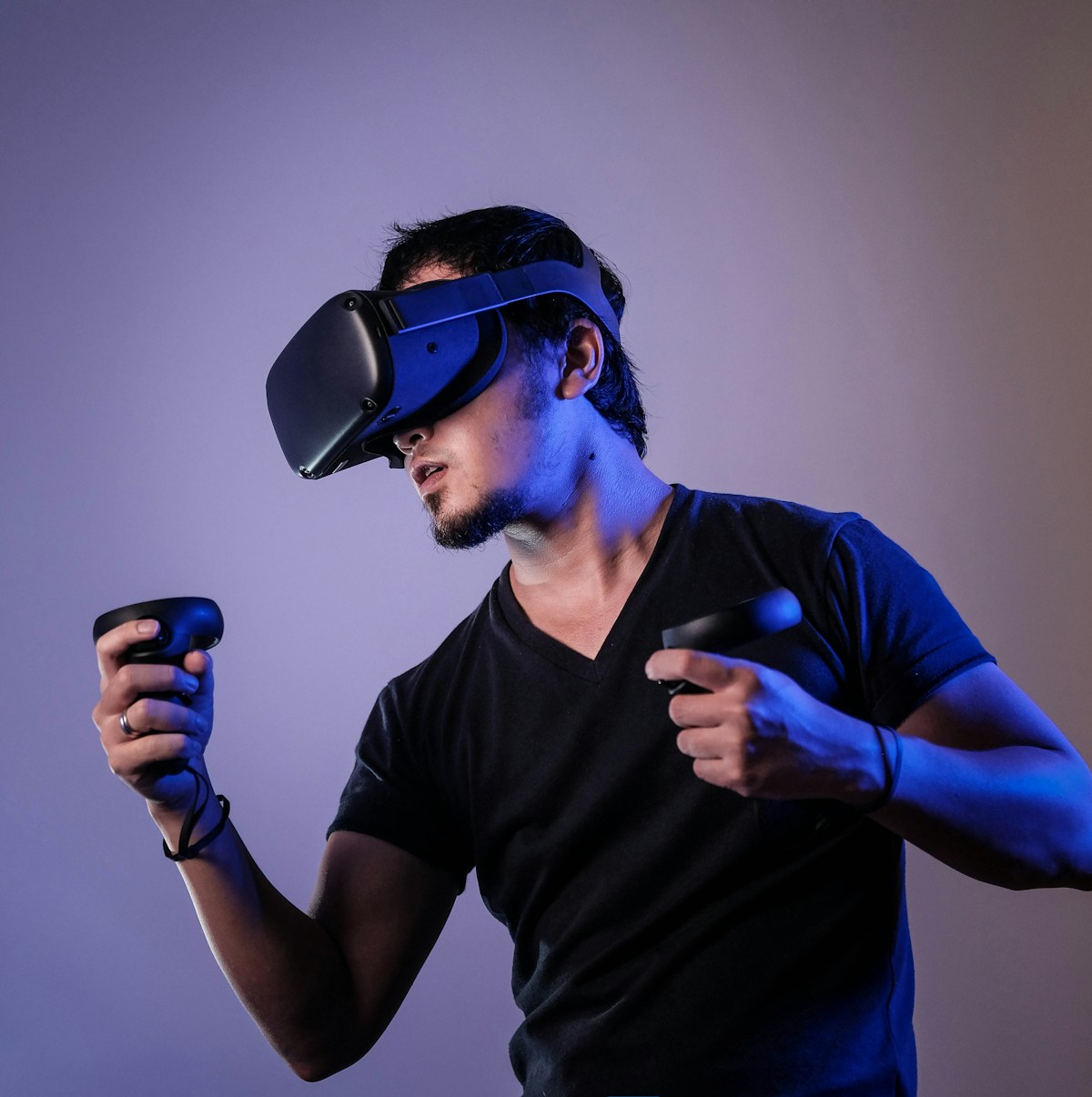
The Meta Quest 3 remains the default recommendation for most players. It runs entirely on its own, with no PC or cables, and its library is the largest in VR, covering everything from Beat Saber to full-length adventures. The colour passthrough makes mixed reality games genuinely usable, and the headset is light enough for hour-long sessions. Its main weakness is graphical power: standalone games look simpler than PC VR titles. If you want the biggest library with the least friction, start here.
Best PC VR Headset: Valve Index and Its Successors
For players with a strong gaming PC, a PC-powered headset delivers the sharpest visuals and the most demanding games, including Half-Life: Alyx and the biggest simulation titles. The Valve Index set the standard for comfort, finger tracking and audio quality, and newer PC headsets have pushed resolution and field of view further. The trade-off is cost and setup: you need a capable graphics card, base stations or inside-out tracking, and a cable or a wireless adapter. PC VR is the best experience money can buy, but it is not the cheapest way in.
Best Console VR: PlayStation VR2
PlayStation VR2 is the obvious pick if you already own a PS5. It plugs straight into the console with a single cable, offers eye tracking, haptic feedback in the headset and controllers, and a growing library of exclusives built for the platform. The OLED displays produce deep blacks that LCD headsets cannot match, which makes horror and space games look superb. The catch is that it is tied to the PlayStation ecosystem, so PC VR games are out of reach unless you buy the separate PC adapter.
What to Check Before You Buy
Comfort matters more than specs on paper. A headset that presses on your forehead or fogs up after twenty minutes will sit on a shelf no matter how good its display is. Look for adjustable straps, a good weight balance and a way to wear glasses if you need them. Check the interpupillary distance adjustment, because a headset that cannot match your eyes will cause strain. Battery life matters for standalone headsets: most last around two hours, so a battery strap is a worthwhile add-on. Finally, measure your play space. Most games need at least two by two metres of clear floor, and guardian boundaries only help if the room is actually clear.
Are VR Headsets Worth It in 2026?
VR is worth it if you like the genres where it shines: rhythm games, shooters, racing and flight simulators, horror, and social games. It is less convincing for long strategy sessions or games that need a keyboard. Prices have settled into clear tiers, with standalone headsets offering the best value and PC headsets offering the best visuals. If you are unsure, a standalone headset is the safe first buy, because it works on its own and can also connect to a PC later for the best of both worlds.
Key Takeaways
- Meta Quest 3 is the best all-round VR headset for most players thanks to its standalone design and huge library.
- PC VR headsets deliver the sharpest visuals but need a strong graphics card and cost more overall.
- PlayStation VR2 is the best choice for PS5 owners, with OLED displays and eye tracking.
- Comfort, glasses support and play space matter as much as resolution when choosing a headset.
- Standalone headsets are the safest first buy because many can also connect to a PC later.
Frequently Asked Questions
Do I need a PC for VR gaming? No. Standalone headsets like the Meta Quest 3 run games on their own. A PC is only needed for PC VR headsets or for playing PC VR games through a link cable.
How much room do I need for VR? Most games need at least two by two metres of clear floor. Seated and standing games work in less space, but room-scale games need the full area.
Does VR make you motion sick? It can, especially in games with smooth movement. Start with short sessions, use teleport movement where offered, and stop at the first sign of discomfort.
Can I wear glasses with a VR headset? Most headsets fit glasses, but a glasses spacer or prescription lens inserts are more comfortable for long sessions.
The right VR headset is the one that matches your setup and the games you want to play. Standalone for simplicity, PC for the best visuals, console for the easiest upgrade path. Pick your lane, check the comfort, and clear some floor space before your first session.
More from GameVault 668