Best Gaming Headsets Under $100 in 2026
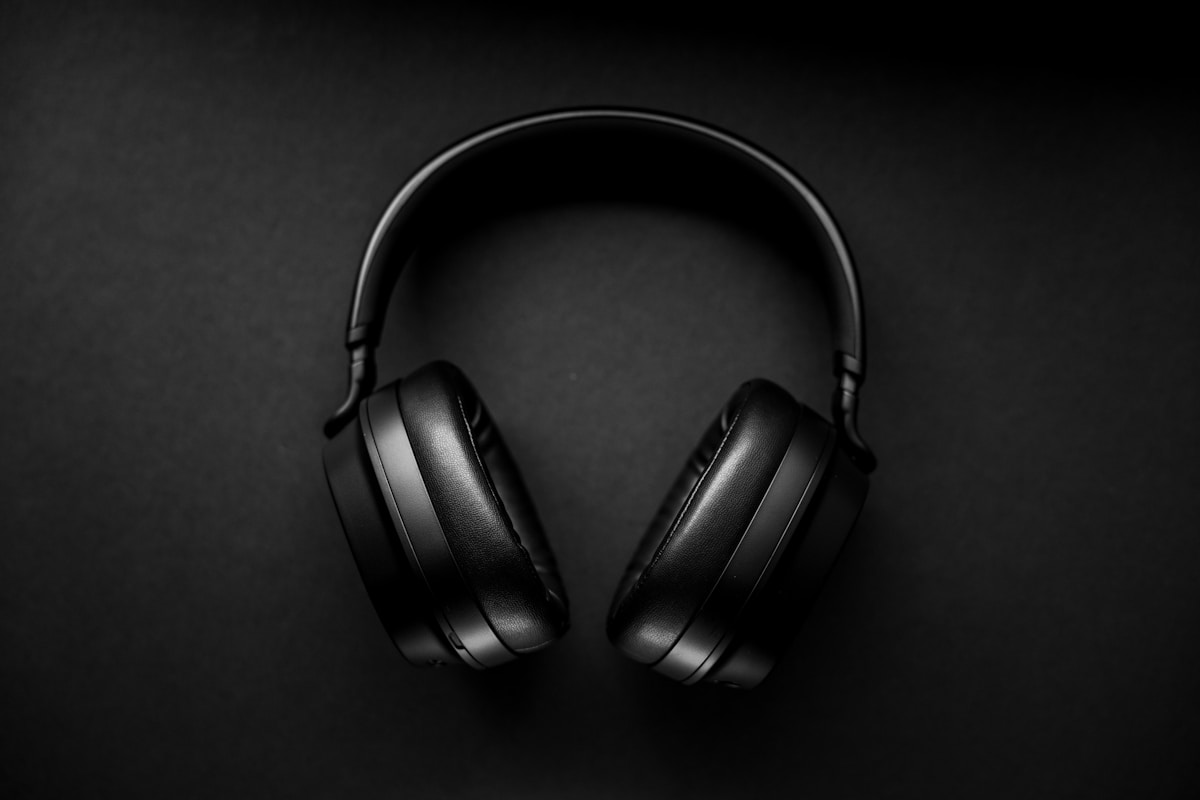
- Primary Signal: Best Gaming Headsets Under $100 in 2026
- Overview: You do not need to spend a fortune for clear footsteps and a mic your squad can actually hear. These are the best gaming headsets under $100 right now....
- Verification: Analyzed and compiled by GameVault 668 editorial monitoring desk.
Gaming headset prices stretch from twenty dollars to several hundred, and the marketing rarely explains what the extra money buys. In practice, the jump from a cheap bundled headset to a good sub-$100 model is enormous, while the jump from $100 to $300 is far subtler. For most players, a well-chosen headset under $100 delivers clear directional audio, a microphone teammates can understand, and comfort for long sessions, which covers everything competitive play actually requires.
Sound quality in this price range depends more on tuning than on driver size, despite what spec sheets imply. A headset with restrained bass and clear mids will reveal footsteps and reload sounds far better than a bass-heavy model that sounds impressive in trailers but muddies the details that matter. Look for reviews that test positional audio specifically, and be wary of virtual surround sound claims, because good stereo imaging with well-tuned drivers usually beats simulated surround at this price.
Microphone quality is the feature budget buyers most often overlook until their squad complains. A clear, noise-rejecting mic that filters keyboard clicks and room noise matters more for team play than any audio gimmick, and several sub-$100 headsets now include detachable or flip-to-mute microphones that perform well. Test your mic with friends before judging it yourself, because a headset that sounds fine to you may still transmit every keystroke to your team.
Comfort decides whether a headset gets used or gathers dust. Weight, clamping force, and ear cushion material matter more over three hours than any specification, and players who wear glasses should pay particular attention to cushion softness around the temples. Mesh fabric cushions breathe better for long sessions, while leatherette isolates noise but traps heat; neither is universally better, so choose based on your room temperature and session length.
Wireless versus wired is the other real choice at this price. Wireless headsets under $100 have improved dramatically, offering low-latency connections that suit casual and competitive play alike, plus freedom from cable tangles. Wired models still win on reliability, weight, and price, and they never need charging mid-match. If you choose wireless, check battery life and whether the headset works while charging, because a dead headset during a ranked session is a problem no feature list can excuse.
Durability deserves a final check before buying. Budget headsets fail most often at the hinges, the headband adjustment, and the cable entry point, so look for metal reinforcement in those areas and read long-term owner reviews rather than launch-day impressions. A two-year warranty is a good sign, and brands with established track records in this price range are usually safer than flashy newcomers with impressive specifications and no service network.
The best headset under $100 is the one that fits your head, suits your games, and survives your desk, not the one with the longest feature list. Prioritise clear sound, a clean microphone, and genuine comfort, test the fit if you possibly can, and spend the money you save on games to actually play with it. Your squad will hear the difference long before they see the brand.
Open-back and closed-back designs represent the most meaningful choice in budget headsets that buyers rarely hear about, because marketing focuses on drivers and surround sound instead. Open-back headsets let sound leak in and out, producing a wider, more natural soundstage that helps with positional audio, but they offer no isolation from room noise. Closed-back headsets seal your ears off, blocking household noise and keeping your game audio private, at the cost of a narrower sound and warmer ears during long sessions. Neither design is universally better: open-back suits quiet rooms and players who want awareness, while closed-back suits shared spaces and late-night sessions. Trying both styles, even briefly, tells you more about your preference than any specification sheet, and comfort over hours matters more than either design's theoretical advantage.
📖 Continue Reading the Full Story
Continue reading this article on GameVault 668.
⚡ Access Full Content NowMore from GameVault 668



 🎰 WinBar VIP
Die besten Codes ohne Einzahlung: Oktober 2026
Schauen Sie sich die besten Online-Casino-Boni ohne Einzahlung für Oktober 2026 an....
 ⚡ CyberTech 568
Best Free AI Voice Changer for Gaming in 2026
A good voice changer adds fun to game night without lag or robotic audio. Compare the best free options for Di...
 💎 LuxeLiving 768
The Best Luxury Travel Destinations for 2026, Ranked by Experience
Luxury travel in 2026 is about privacy, authenticity, and unforgettable moments, not just five-star lobbies. T...
 🍿 CosmoCinema 998
Best New TV Shows to Binge This Weekend in Fall 2026
Fall 2026 has delivered a strong run of new series across streaming. Here are the freshest shows worth startin...