How to Stop Gaming Rage and Tilt
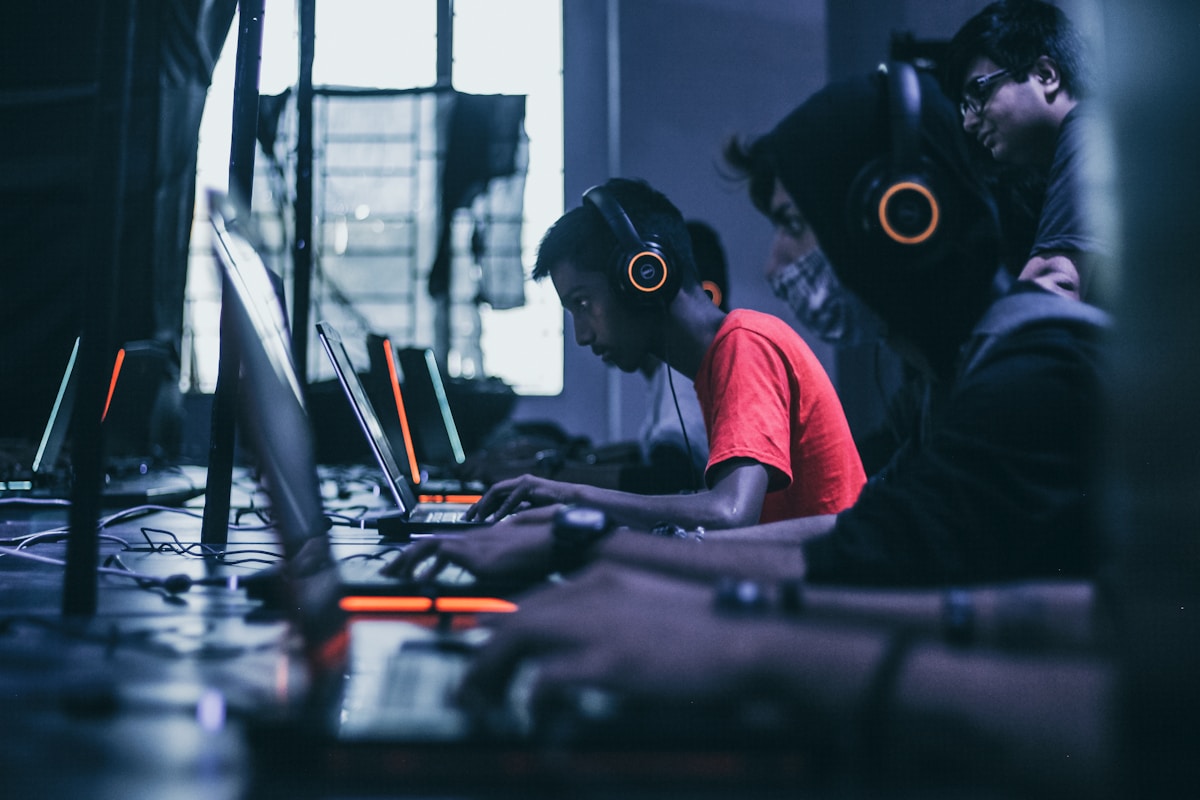
- Primary Signal: How to Stop Gaming Rage and Tilt
- Overview: Tilt ruins your aim, your decisions, and your enjoyment. Here is why tilt happens, how to spot it early, and the practical techniques that actually stop it....
- Verification: Analyzed and compiled by GameVault 668 editorial monitoring desk.
Everyone who plays competitive games knows tilt. You lose a fight you should have won, then you play worse, then you lose again, and suddenly you are shouting at a screen over a game you play for fun. Tilt is not a character flaw. It is a predictable psychological response to frustration, and once you understand how it works, you can stop it before it ruins your session.
Tilt starts with a gap between what you expected and what happened. You expected to win the fight, hit the shot, or rank up, and reality disagreed. Your brain treats that gap as a threat, your stress hormones rise, and your decision-making narrows. You start taking worse fights, blaming teammates, and playing faster instead of smarter, which creates more losses, which creates more frustration. It is a loop, and the loop is the problem, not any single loss.
Recognising the loop is the first skill. The signs are physical as well as mental: tense shoulders, faster breathing, gripping the mouse harder, and a rising urge to queue again immediately to win it back. If you notice two or more of those signs, you are already tilting, and the correct move is to stop, not to play through it. Playing through tilt almost never works, because the part of your brain you need for good decisions is the part that frustration switches off.
The most effective technique is the simplest: take a real break. Stand up, walk away from the computer, drink water, and do something else for ten minutes. A break resets your stress response in a way that queuing again cannot. Set a rule before you play, such as two losses in a row means a ten-minute break, and follow it mechanically, without negotiating with yourself in the moment.
Reframing helps too. Instead of treating each match as a test of your worth, treat it as practice with a score attached. Your rank is a lagging indicator of your skill, not a verdict on your value, and one bad session does not erase months of improvement. Players who focus on one thing to improve per session, such as their positioning or their crosshair placement, tilt far less than players who focus only on winning.
Long-term tilt control comes from your setup, not your willpower. Play at times when you are rested and fed, not late at night when you are already tired. Keep your sessions to a length you can sustain, and stop while you are still enjoying the game, not after you have started hating it. Mute toxic players immediately instead of arguing with them, because every minute spent arguing is a minute spent tilting.
Finally, track your mood, not just your rank. After each session, note how you felt on a scale of one to ten. If your mood is consistently low after playing a particular game or mode, that is data, not weakness. The best players in the world manage their mental state as carefully as their aim, because they know that a calm player beats a tilted player with better mechanics every time.
It is worth saying plainly that tilt is worse when life is stressful. A bad day at work, poor sleep, or an argument at home all lower your frustration threshold before you even launch the game, and the game becomes the place where the stress comes out. If you notice you tilt faster than usual, ask what else is going on, not just what happened in the match. Some days the right move is not to play competitively at all. A relaxed game with friends, or no game at all, beats a tilted ranked session every time, and the rank will still be there tomorrow.
Tilt is a loop, not a personality trait. Spot the signs early, take a real break, reframe the match as practice, and build a routine that protects your mood. You will play better, and you will actually enjoy the game again.
📖 Continue Reading the Full Story
Continue reading this article on GameVault 668.
⚡ Access Full Content NowMore from GameVault 668

 ☁️ FreeSky Cloud
VPS Backup Automation Guide: Set It Once and Stop Worrying
A practical, step-by-step guide to vps-backup-automation-guide, with the common mistakes to avoid and a reusab...
 ⚡ CyberTech 568
Internet Latency Test: How Fast Is Your Connection?
Test your internet latency free. Get accurate ping measurements and learn what your numbers mean for gaming an...
 💎 LuxeLiving 768
Crypto APY Calculator UK: Staking Rewards Guide for 2026
UK crypto investors: calculate staking rewards with APY vs APR explained, tax notes for HMRC, and the best sta...
 🤖 WinBar AI
Instagram Photo Downloader: Save Posts in Full Resolution
Download Instagram photos in original quality. Save posts, carousel images, and profile pictures free....