How to Join Amateur Esports Tournaments: A Beginner's Guide to Competitive Play
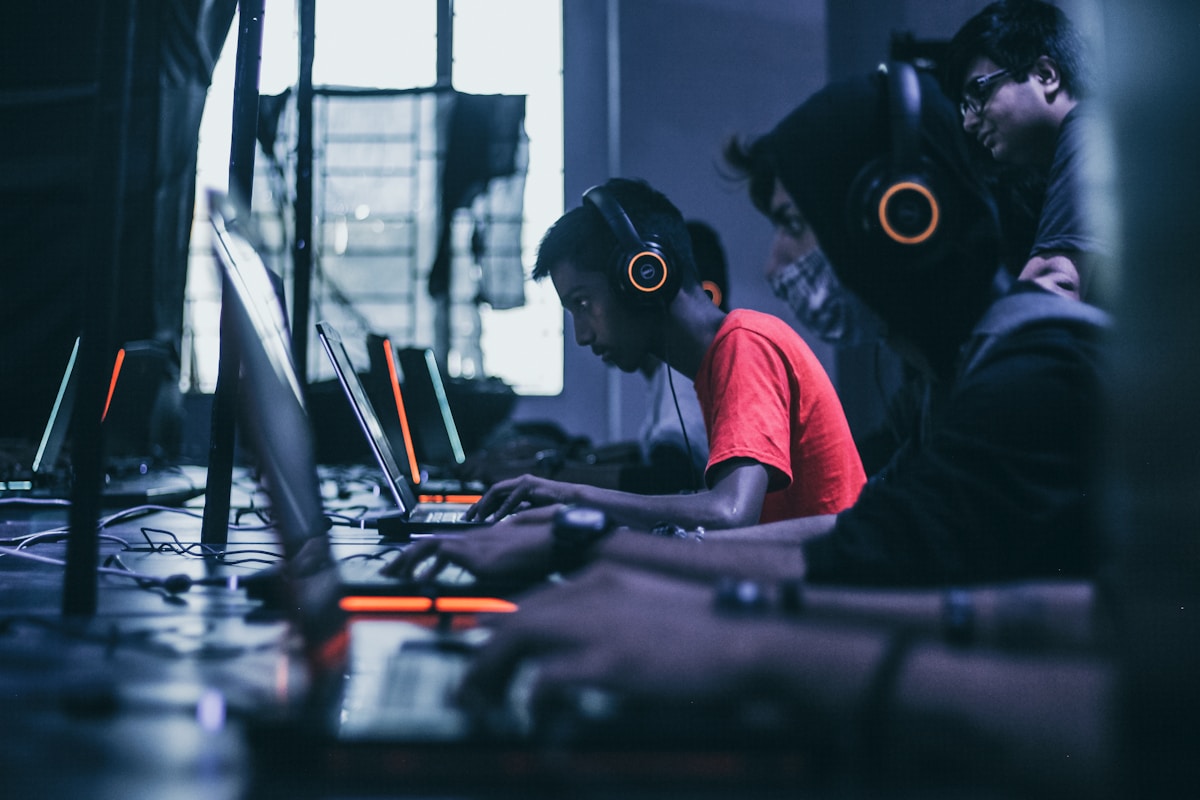
- Primary Signal: How to Join Amateur Esports Tournaments: A Beginner's Guide to Competitive Play
- Overview: Amateur tournaments are far more open than most players think. Here is how to find events, join a team, and prepare for your first competitive match....
- Verification: Analyzed and compiled by GameVault 668 editorial monitoring desk.
Amateur esports tournaments are the entry point for most competitive players, and they are far more accessible than the professional scene suggests. Local leagues, online cups, and community tournaments run every week across popular titles, and most of them welcome unsigned teams and solo players looking for a roster. Getting started is mostly a matter of knowing where to look and showing up prepared.
Start by choosing one game and one role to focus on. Teams recruiting for amateur tournaments want players who are reliable in a specific role, not players who play everything averagely. Reach a respectable ranked level in your chosen game first, because tournament organisers and team captains use rank as a quick filter, and it also proves you understand the game's fundamentals before adding team strategy on top.
Tournament platforms and community Discord servers are where most amateur events are announced. Look for your game's official competitive Discord, regional league servers, and platforms that host open brackets, and set up notifications for registration openings, because popular free tournaments fill quickly. University leagues, local gaming cafes, and charity cups are also good first events, since they tend to be friendlier to newcomers than high-stakes open qualifiers.
Finding a team is usually the hardest part. Post in looking-for-team channels with honest information: your rank, your role, your availability, and your goals, and be specific about the times you can practise. Teams fall apart over scheduling more than skill, so a player who can reliably attend three evening practises a week is more valuable than a slightly better player who shows up inconsistently. Trial sessions are normal, so expect to play a few practise matches before anyone commits.
Preparation for your first tournament should focus on the basics: agree on communication rules, such as who makes final calls and how to report enemy positions, and practise a small set of strategies until they are automatic, rather than trying to learn everything at once. Play at least one practise match against another team before the tournament, because scrims reveal problems, like unclear callouts or a weak map, that ranked players never show.
On tournament day, treat the practical details seriously. Check in on time, test your audio and connection an hour early, keep water nearby, and have your settings backed up. Losing a match because of a technical problem you could have prevented is the most frustrating way to exit a tournament, and organisers have little patience for teams that are not ready when their match starts.
Finally, manage expectations. Most first tournaments end in an early exit, and that is normal and useful: you will learn more from one competitive match than from ten ranked games, because opponents punish mistakes that ranked players ignore. Review your matches, note two specific things to improve, and enter the next tournament with those fixes in mind. Amateur esports rewards persistence more than raw talent, and the players who keep showing up are the ones who eventually break through.
Handling defeat well is a skill that tournament play teaches faster than any other format. Losing a close match stings, but the teams that improve are the ones who review the loss honestly instead of blaming teammates, lag, or luck. Record your tournament matches when the rules allow, watch the rounds you lost, and look for patterns: the same positioning mistake, the same failed strategy, the same communication breakdown. Fixing one repeated mistake before the next event is worth more than winning a dozen casual matches.
Above all, enjoy the process. Amateur tournaments are supposed to be fun, and players who treat every match as a learning experience last longer in the scene than those who only care about winning.
📖 Continue Reading the Full Story
Continue reading this article on GameVault 668.
⚡ Access Full Content NowMore from GameVault 668


 🎰 WinBar VIP
Beginner to Advanced: GST Calculator — Add or Extract GST & VAT (Day 5 Guide)
How to maximize results using the GST Calculator — Add or Extract GST & VAT on WinBar VIP. Discover essential ...
 ⚽ SportsBet Insights Live
Betting on Player Props for Beginners: A Simple Guide to Prop Bets
Player props let you bet on an individual athlete's performance, such as points, yards or shots, rather than t...
 ⚡ CyberTech 568
Risk Management Playbook: Palworld Breeding Calculator — Parents, Combos & Paths (Day 22 Guide)
Minimizing downside volatility with the Palworld Breeding Calculator — Parents, Combos & Paths on CyberTech 56...
 🍿 CosmoCinema 998
Beginner to Advanced: Palworld Breeding Calculator — Parents, Combos & Paths (Day 5 Guide)
How to maximize results using the Palworld Breeding Calculator — Parents, Combos & Paths on CosmoCinema 998. D...