Is Cloud Gaming Good Enough for Single-Player Games in 2026?
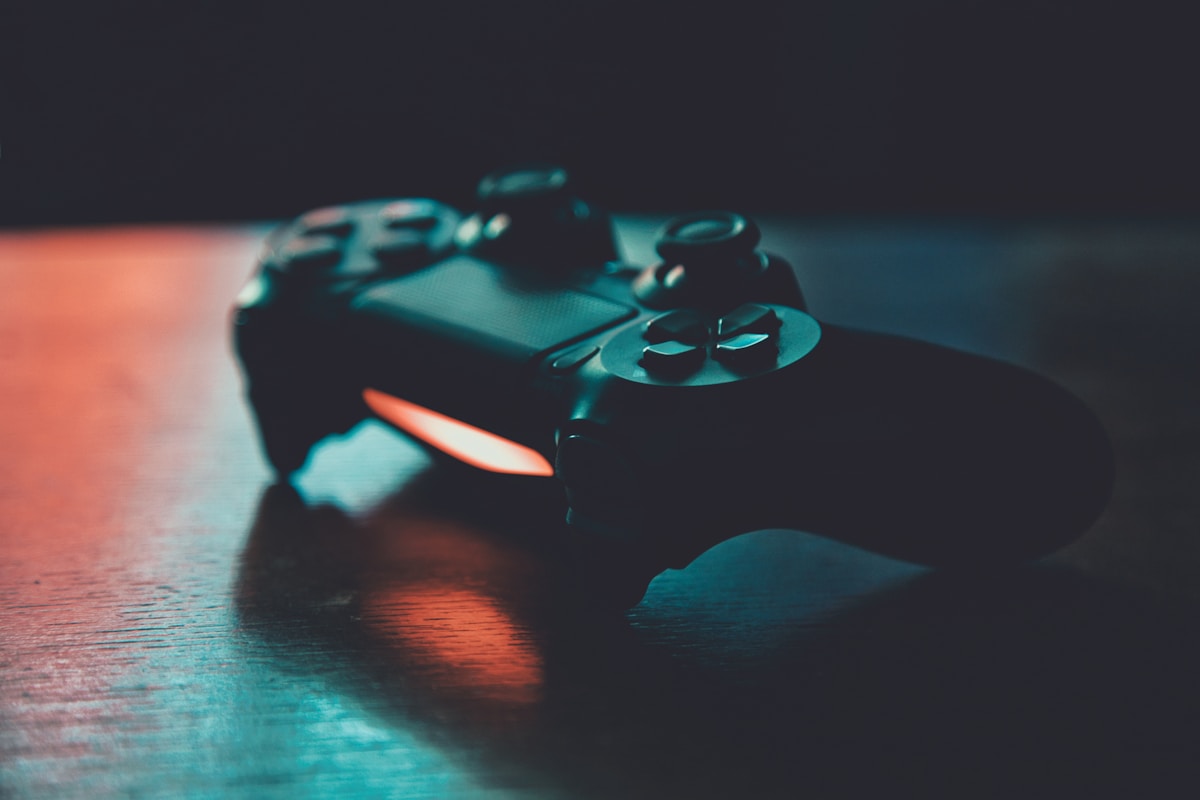
- Primary Signal: Is Cloud Gaming Good Enough for Single-Player Games in 2026?
- Overview: For story games, cloud gaming in 2026 is genuinely good — if your connection is stable, wired, and fast enough. Here's the honest test....
- Verification: Analyzed and compiled by GameVault 668 editorial monitoring desk.
Cloud gaming has changed most for single-player games, because story adventures, role-playing games, and puzzle titles are far more forgiving of small delays than competitive shooters. A delay of 40 to 60 milliseconds is barely noticeable when you are exploring a town, choosing dialogue, or solving a puzzle, but it ruins a fast fighting game where every frame matters. That distinction is the key to the whole question: cloud gaming is not one product, and its quality depends on the genre, the connection, and the device you play on.
Connection quality matters more than headline internet speed, because stability and latency decide whether a cloud session feels smooth or frustrating. A wired ethernet connection, or a strong Wi-Fi signal in the same room as the router, with at least 25 megabits per second for 1080p and 45 megabits for 4K, will usually deliver a clean picture. A busy household streaming video on the same network, a weak Wi-Fi signal through two walls, or a mobile connection that drops between towers will cause the blurring, stuttering, and input lag that give cloud gaming its bad reputation.
Image quality in 2026 is genuinely close to local play for most story games, with modern services streaming at 1080p and 60 frames per second as standard and 4K available on higher tiers. Dark scenes and fast camera movement still show compression artefacts, such as blocky shadows or soft textures, but slow, detailed environments — forests, cities, interiors — look impressively sharp. Players who sit close to a large television will notice the difference more than players on a laptop or tablet, where the smaller screen hides minor compression.
The practical advantages are hard to ignore, especially for players without a powerful console or PC. There are no downloads that take hours, no storage worries, no hardware upgrades, and no patches to install before you can play, because the game runs on a remote server and streams to almost any screen. That makes cloud gaming ideal for trying a long story game before committing to a purchase, for playing on a work laptop while travelling, or for revisiting a favourite title on a television that could never run it locally.
There are still real downsides to weigh, and ownership is the biggest one, because a cloud subscription gives you access rather than a copy you keep if a service closes or a game leaves the catalogue. Save files usually transfer within the same service but rarely move to another platform, and a game that requires a constant connection cannot be played on a plane, in a rural area, or during an internet outage. Players who value modding, offline play, or a permanent library should still buy locally for their favourite titles and use cloud gaming as a supplement.
So is cloud gaming good enough for single-player games in 2026? For most players with a stable, wired connection, the answer is yes — try it with a free trial, play a slow, story-heavy game for an hour, and judge the picture and controls yourself. If the session feels smooth and the story pulls you in, the cloud has earned its place in your setup; if the picture softens or the controls feel detached, a local copy remains the safer choice for that game.
Players on a tight budget may also find that a short cloud subscription is cheaper than buying a console for a single long game, provided they finish the story within the subscription period and do not let the monthly fee quietly continue after they have stopped playing.
📖 Continue Reading the Full Story
Continue reading this article on GameVault 668.
⚡ Access Full Content NowMore from GameVault 668



 ₿ Lucky Satoshi
How Do Bitcoin Casinos Resolve Player Disputes?
Disputes go through support first, then escalate to the licensing authority or mediation sites. Your evidence ...
🎰 WinBar VIP
The Complete 2026 Strategic Blueprint: Inside The Velocity Behind Crypto Casino Alpha
Comprehensive 2026 research dossier and telemetry report on The Complete 2026 Strategic Blueprint: Inside The ...
 ☁️ FreeSky Cloud
Best Free Tier Cloud Hosting 2026: Host Projects Without Paying
Compare the best free tier cloud hosting options for 2026, including what is genuinely free, what limits apply...
 🔥 ViralBuzz 168
2026 Content Creator Awards Light Up Sandton Tonight With Music, Dance and Star Power
The 2026 Samsung Galaxy Content Creator Awards take over The Galleria in Sandton on October 17, celebrating So...