Gaming Chair vs Office Chair for Back Pain: Which Wins for Long Sessions?
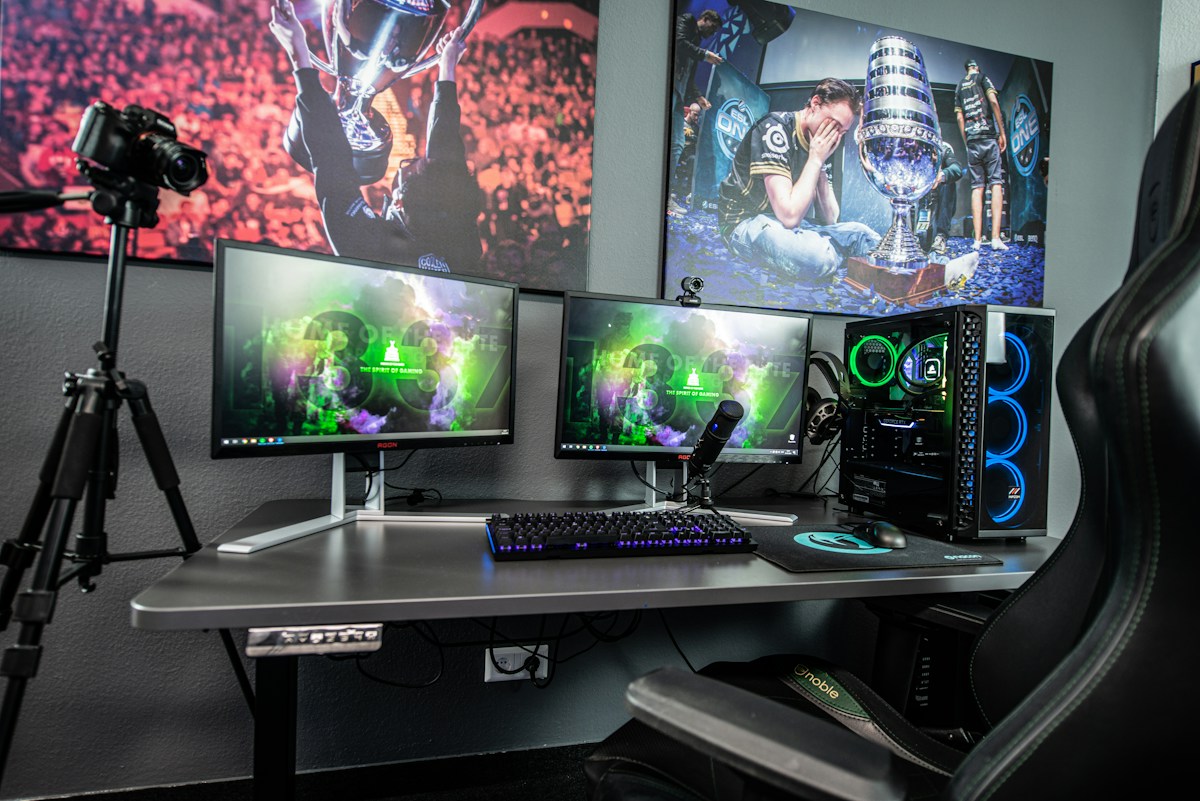
- Primary Signal: Gaming Chair vs Office Chair for Back Pain: Which Wins for Long Sessions?
- Overview: Racing-style gaming chairs look the part, but ergonomic office chairs often support your spine better. Here is the honest comparison for anyone sitting for hours....
- Verification: Analyzed and compiled by GameVault 668 editorial monitoring desk.
Ask any gaming community which chair to buy and you will start an argument, because the racing-style gaming chair has become a symbol of the hobby itself. Yet when physiotherapists and ergonomics researchers weigh in, their verdict is usually uncomfortable for gaming brands: most gaming chairs prioritise looks over spinal support, and for long sessions an ergonomic office chair is often the healthier buy. The difference comes down to how each chair treats the natural curve of your spine.
The core problem with most gaming chairs is the bucket-seat design borrowed from race cars. Those side bolsters exist to hold a driver in place during high-speed turns, but at a desk they push your shoulders inward and create pressure points at your hips. The lumbar support is usually a loose pillow strapped to the backrest, which sits at a fixed height that rarely matches your spine and slides out of place the moment you shift position.
Ergonomic office chairs take the opposite approach: support built into the structure rather than bolted on. The backrest curve follows your spine, lumbar support adjusts in height and depth independently, and seat depth adjustment lets you fit the chair to your leg length instead of tolerating a one-size seat. Mesh backs add breathability for long sessions, and four-way armrests let your elbows rest at ninety degrees without shrugging your shoulders upward.
That does not mean every gaming chair is bad. Premium hybrid models from brands that moved away from the pure racing shape now offer adjustable built-in lumbar support, flatter seats, and proper armrest adjustment, but they cost four to five hundred dollars. At that price, a refurbished Steelcase or a mid-range ergonomic office chair frequently offers more adjustability per dollar, which is worth knowing before you pay for a brand logo.
Session length is the deciding factor. For sessions under two hours, the difference between a decent gaming chair and an office chair is minor, and personal preference can reasonably win. Past three hours, however, the gap becomes significant: fixed lumbar pillows and rigid bolsters create fatigue that adjustable support avoids. Since surveys show more than a quarter of gamers regularly play for over three hours, this is not an edge case for most readers.
Whatever chair you own, setup matters more than the purchase. Adjust seat height so your feet rest flat with knees near ninety degrees, position lumbar support at the small of your back, and place your monitor at eye level so you are not leaning forward during intense moments. Stand up between matches or every forty-five to sixty minutes, because no chair, however expensive, replaces movement as the best protection for your back.
The verdict is simple: buy the chair that fits your body and your session length, not the one that matches your setup's colour scheme. If you game for hours daily or already have back trouble, an ergonomic office chair is the smarter investment. If you love the gaming aesthetic, choose a hybrid model with real adjustability and skip anything whose only lumbar support is a pillow.
Your chair is only one part of an ergonomic setup, and the rest of the desk matters just as much for long sessions. A monitor arm that positions the screen at eye level prevents the forward lean that strains necks during intense matches, while a footrest helps shorter players keep their feet flat instead of dangling. Desk height is equally important: if your desk is too high, your shoulders rise and your wrists bend, creating strain that no chair can fix, which is why adjustable desks have become popular among serious players. The cheapest and most effective ergonomic upgrade, however, remains free: standing up, walking around, and stretching every hour does more for your back than any single purchase. Treat the chair as the centrepiece of a system, not as a magic solution, and your body will thank you across years of gaming.
📖 Continue Reading the Full Story
Continue reading this article on GameVault 668.
⚡ Access Full Content NowMore from GameVault 668



 🎰 WinBar VIP
Future Outlook & 2026 Forecast: How To Capitalize on The Shift in Crypto Casino Alpha
Comprehensive 2026 research dossier and telemetry report on Future Outlook & 2026 Forecast: How To Capitalize ...
 ⚡ CyberTech 568
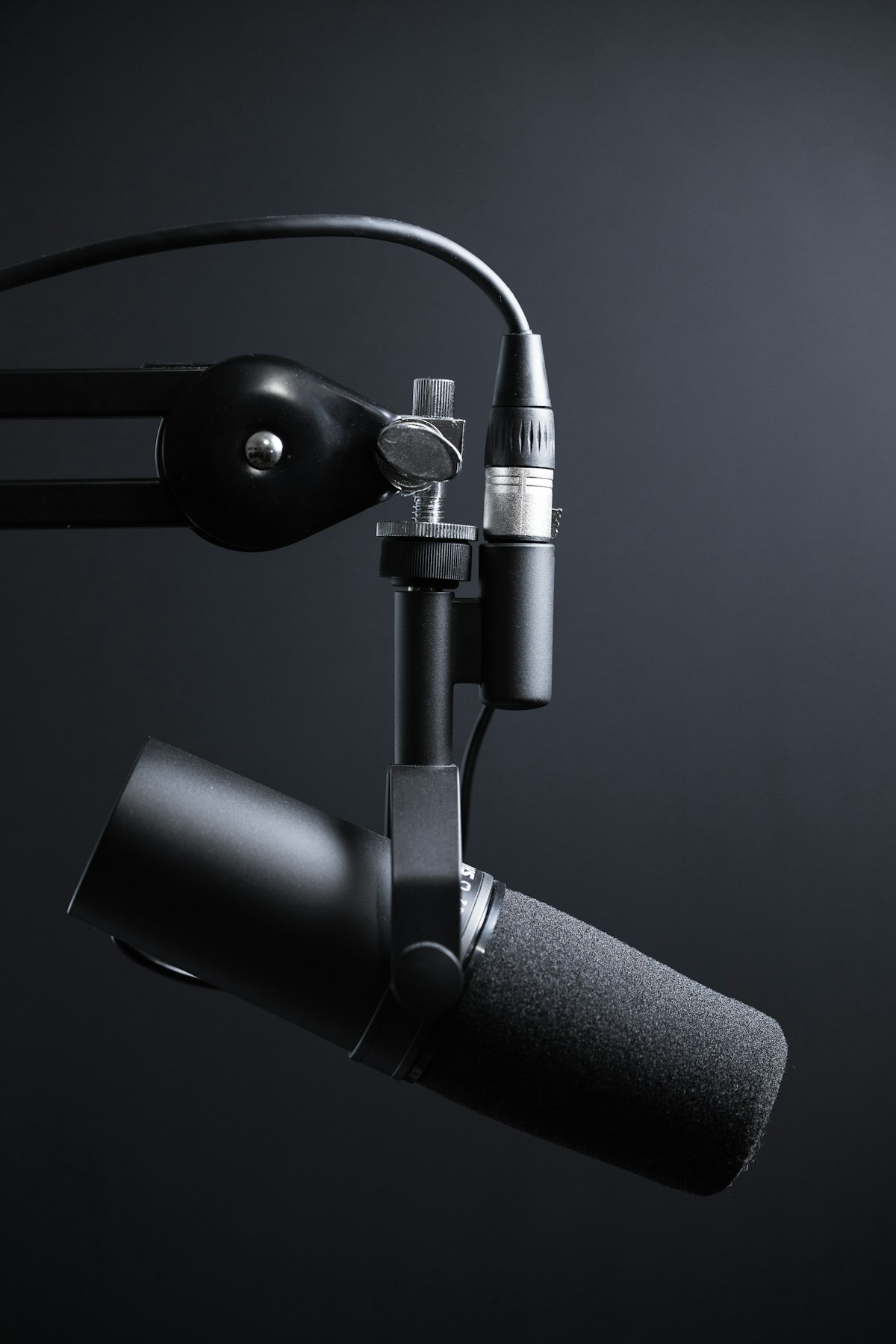
Best Free AI Voice Changer for Gaming in 2026
A good voice changer adds fun to game night without lag or robotic audio. Compare the best free options for Di...
 💎 LuxeLiving 768
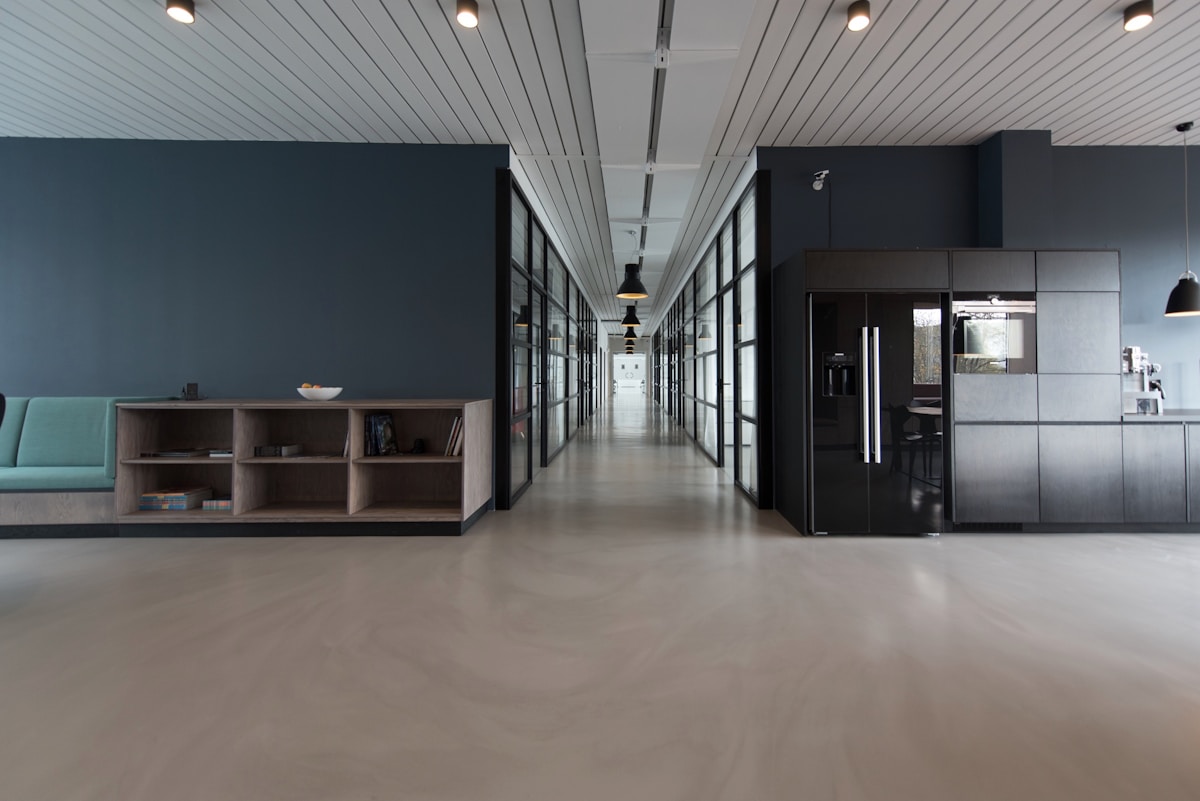
Luxury Home Office Ideas for Executives in 2026
A luxury home office is about focus, comfort and presence on video calls. Design ideas for lighting, furniture...
 🐋 CryptoAce VIP
Is Keeping Crypto on an Exchange Safe for the Long Term in 2026?
Exchanges are built for trading, not storage. The real question is not whether exchanges are safe, but which r...