How to Avoid Burnout in Competitive Gaming
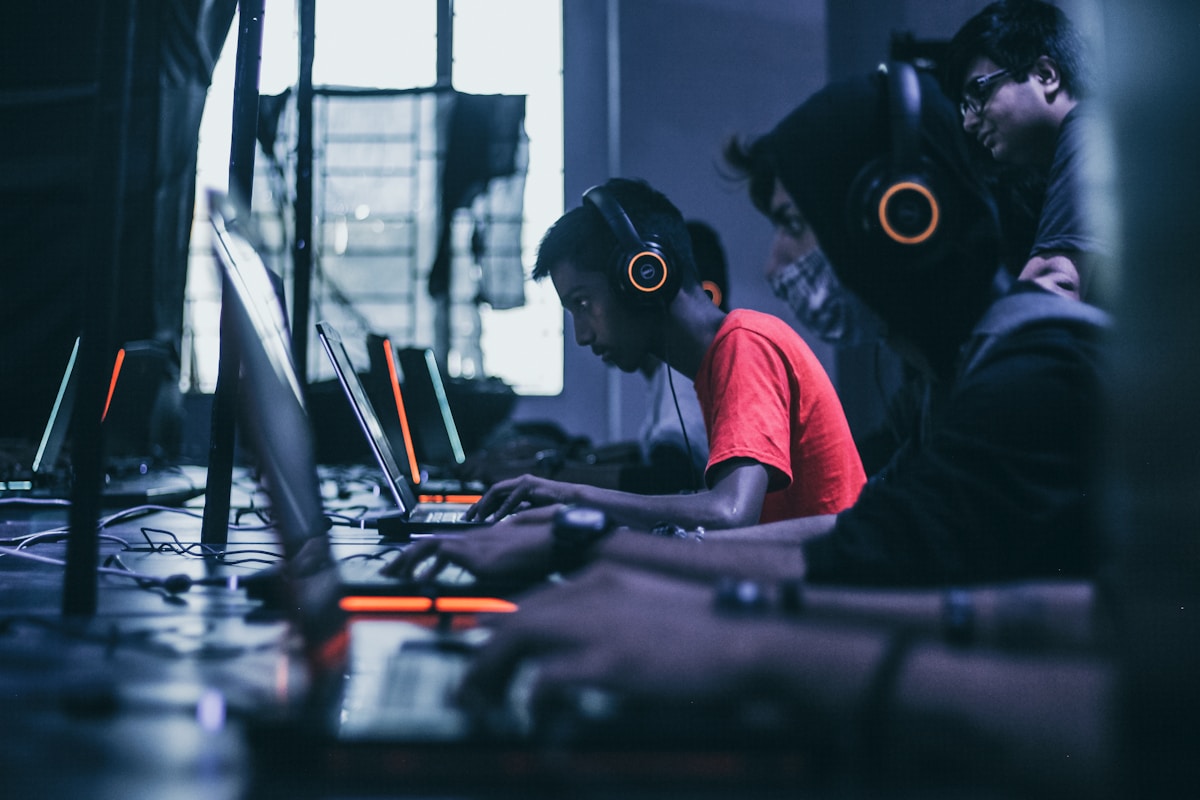
- Primary Signal: How to Avoid Burnout in Competitive Gaming
- Overview: Grinding ranked all day feels productive until motivation collapses. Learn the warning signs of competitive burnout and the routines that keep play fun....
- Verification: Analyzed and compiled by GameVault 668 editorial monitoring desk.
Competitive burnout rarely arrives suddenly: it builds through loss streaks, late nights, and pressure to climb, until a game you loved feels like a chore. In this guide, we break down what actually matters, what to ignore, and the small practical steps you can take this week to get a clearer answer without overthinking every detail.
Irritability after losses, dreading queueing, and blaming teammates for everything are signs to pause, not signals to grind harder. Noticing the pattern early makes recovery much shorter. That matters because a single snapshot can mislead you, while a pattern over days or weeks usually tells the real story and helps you avoid an expensive or embarrassing mistake. For most readers, the practical next step is to try the idea once in a low-stakes situation, note what worked, and adjust before committing more time or money to it.
Set a ranked limit, such as three focused games or two hours, then switch to casual modes, another game, or a break. Quality practice beats exhausted repetition every time. In practice, this means slowing down for five minutes, comparing what you see with a trusted second source, and only acting once the picture stays consistent. For most readers, the practical next step is to try the idea once in a low-stakes situation, note what worked, and adjust before committing more time or money to it.
Watching one replay calmly teaches more than five tilted rematches, because you can spot positioning and decision errors without adrenaline. One honest review a day improves faster than ten angry queues. The key is to judge the result, not the hype around it: if it does not work in your daily routine, budget, or real-life situation, it is not the right choice yet. For most readers, the practical next step is to try the idea once in a low-stakes situation, note what worked, and adjust before committing more time or money to it.
Late-night grinding, skipped meals, and energy drinks wreck reaction time and mood, which then feels like a skill problem. Sleep is a performance tool, not a reward for ranking up. A useful habit is to write down what you expected, what actually happened, and what you would change next time, because that short note turns a one-off try into real learning. For most readers, the practical next step is to try the idea once in a low-stakes situation, note what worked, and adjust before committing more time or money to it.
A second game, sport, or creative hobby gives your identity somewhere to go when ranked goes badly. Players with one outlet burn out faster than players with several. This also protects you from copycat advice: what worked for someone with a different budget, audience, or schedule may need a smaller, cheaper version before it works for you. For most readers, the practical next step is to try the idea once in a low-stakes situation, note what worked, and adjust before committing more time or money to it.
One question that comes up again and again about how to avoid burnout in competitive gaming is whether there is a single right answer. There rarely is. What works depends on your budget, your schedule, and your tolerance for risk, so compare two or three realistic options, test the smallest version first, and only scale up what actually delivers results for you.
The bottom line on how to avoid burnout in competitive gaming is that steady, realistic steps beat dramatic shortcuts. Pick one idea from this guide, try it for a week, and judge it by how it actually feels and works in real life, not by how impressive it looks online or in someone else's highlight reel.
📖 Continue Reading the Full Story
Continue reading this article on GameVault 668.
⚡ Access Full Content NowMore from GameVault 668
 🎰 WinBar VIP
Future Outlook & 2026 Forecast: How To Capitalize on The Shift in Crypto Casino Alpha
Comprehensive 2026 research dossier and telemetry report on Future Outlook & 2026 Forecast: How To Capitalize ...
 ⚡ CyberTech 568
Best Free AI Voice Changer for Gaming in 2026
A good voice changer adds fun to game night without lag or robotic audio. Compare the best free options for Di...
 ₿ Lucky Satoshi
Why Is My Bitcoin Casino Deposit Pending or Unconfirmed?
A pending bitcoin casino deposit is usually waiting on blockchain confirmations or the casino's payment proces...
 ☁️ FreeSky Cloud
Best Windows 11 Settings for Gaming PC in 2026 (Reddit-Approved Tweaks)
Game Mode, GPU scheduling, power plans, and clean driver installs — the Windows 11 settings experienced PC gam...