How to Improve Your Aim in FPS Games: A 30-Day Practice Plan
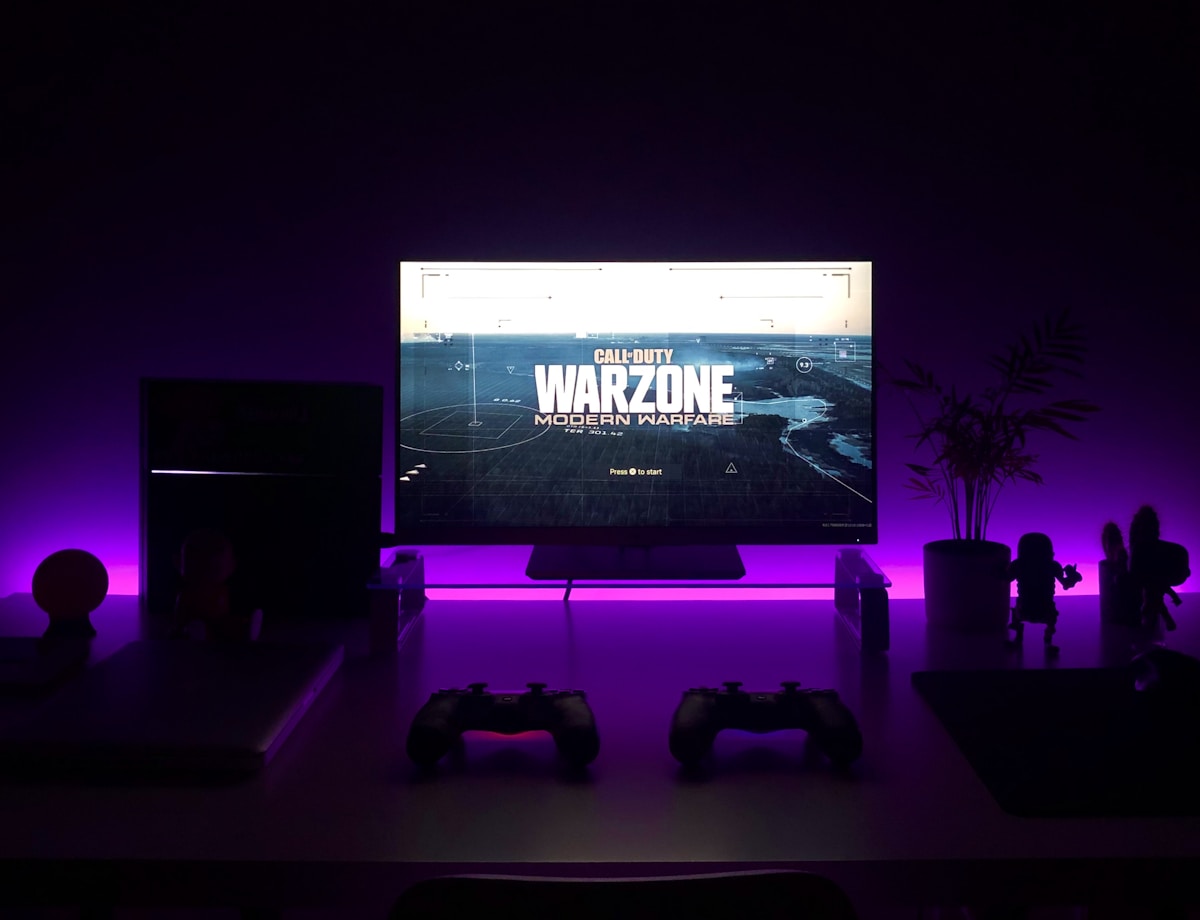
- Primary Signal: How to Improve Your Aim in FPS Games: A 30-Day Practice Plan
- Overview: Good aim is not a talent you are born with; it is a trainable skill. This 30-day plan builds flicks, tracking, and crosshair discipline step by step....
- Verification: Analyzed and compiled by GameVault 668 editorial monitoring desk.
Every frustrated FPS player has asked the same question after losing a duel they felt they should have won: is good aim something you are born with, or something you can build? The answer from coaches and from the thriving aim-training community is clear: aim is a trainable motor skill, and structured practice improves it far faster than simply playing more matches. The difference is the same as between shooting hoops casually and running drills; both involve a ball, but only one builds skill deliberately.
Before any drills, fix the foundation, because practising on a bad setup trains bad habits. Set a sensitivity you can control rather than copy a professional's settings blindly, since pros use large mousepads and arm aiming that beginners rarely replicate. Your crosshair should sit at head height by default, your monitor should be at eye level, and your hand should move comfortably without your wrist bending awkwardly. Small ergonomic fixes often deliver immediate improvements that no amount of drilling can.
The first ten days of the plan focus on flicks: fast, accurate movements to a target. Spend fifteen minutes daily in an aim trainer or a practice range, working on click-timing exercises where targets appear and you snap to them. Keep sessions short and focused, prioritise accuracy over speed at first, and stop when your hand feels tired rather than pushing through fatigue, because tired practice reinforces sloppy movement patterns.
Days eleven to twenty add tracking, the smooth following of a moving target that dominates many modern shooters. Tracking drills train a different muscle skill from flicking, requiring steady, controlled hand movement rather than explosive snaps. Alternate flick and tracking days, and add a few minutes of target-switching exercises, where you move quickly between multiple targets, because real fights rarely present a single stationary enemy.
The final ten days bring it together with game-specific practice. Replace half your aim-trainer time with deathmatch or practice-range sessions in your actual game, applying the same crosshair discipline and movement control. Focus on one weakness at a time: if you over-flick, slow down; if you panic-spray, practise burst control. Record a few matches and watch your duels back, because most players discover they lose fights to positioning and timing, not raw aim, far more often than they expect.
Measuring progress keeps motivation alive through the inevitable plateau around week three. Track simple numbers weekly: accuracy percentage in your trainer, headshot rate in matches, and duel win rate in deathmatch. Improvement is rarely linear; expect jumps, flat weeks, and occasional bad days, and judge the plan by the monthly trend rather than any single session. A ten percent accuracy gain over thirty days is a genuine transformation, even if it does not feel dramatic day to day.
After thirty days, the goal is not to stop training but to shrink it. Ten focused minutes before your matches maintains the skill, while your match time builds the game sense that aim alone cannot provide. Great aim gets you into fights you can win; great positioning, timing, and teamwork decide which fights you take. Build both, and the duels that used to frustrate you will start feeling like the easiest part of your game.
Sensitivity is the most argued-over topic in aim training, and the honest answer is that there is no universal perfect setting, only a range that suits your mousepad size, grip style, and arm movement. Players using large mousepads and arm aiming can control lower sensitivities that offer precision, while players with small desks often need higher sensitivities to turn quickly. A practical test is to place your crosshair on a target, look away, and flick back to it repeatedly: if you consistently overshoot, lower the sensitivity slightly, and if you undershoot, raise it. Change only one variable at a time and give each setting several days before judging it, because constant switching prevents your muscle memory from ever settling. Once you find a comfortable setting, lock it in and stop chasing professional players' numbers, because their settings are built for their hands, not yours.
📖 Continue Reading the Full Story
Continue reading this article on GameVault 668.
⚡ Access Full Content NowMore from GameVault 668

 🚀 RocketCoin Casino
How Do Instant-Play Crypto Casino Games Work Without Downloads?
Instant-play crypto casino games run entirely in your browser with no downloads needed. Learn how HTML5 techno...
 🐋 CryptoAce VIP
Crypto Portfolio Diversification Beginners Guide
A beginner guide to crypto portfolio diversification: how to spread risk across assets, avoid over-concentrati...
 ☁️ FreeSky Cloud
VPS Backup Automation Guide: Set It Once and Stop Worrying
A practical, step-by-step guide to vps-backup-automation-guide, with the common mistakes to avoid and a reusab...
 👁️ Secret of Illuminati
Is the Georgia Guidestones Explosion Connected to Secret Societies?
America's most mysterious monument was bombed in 2022 and never rebuilt. From the Rosicrucian theory to the un...